
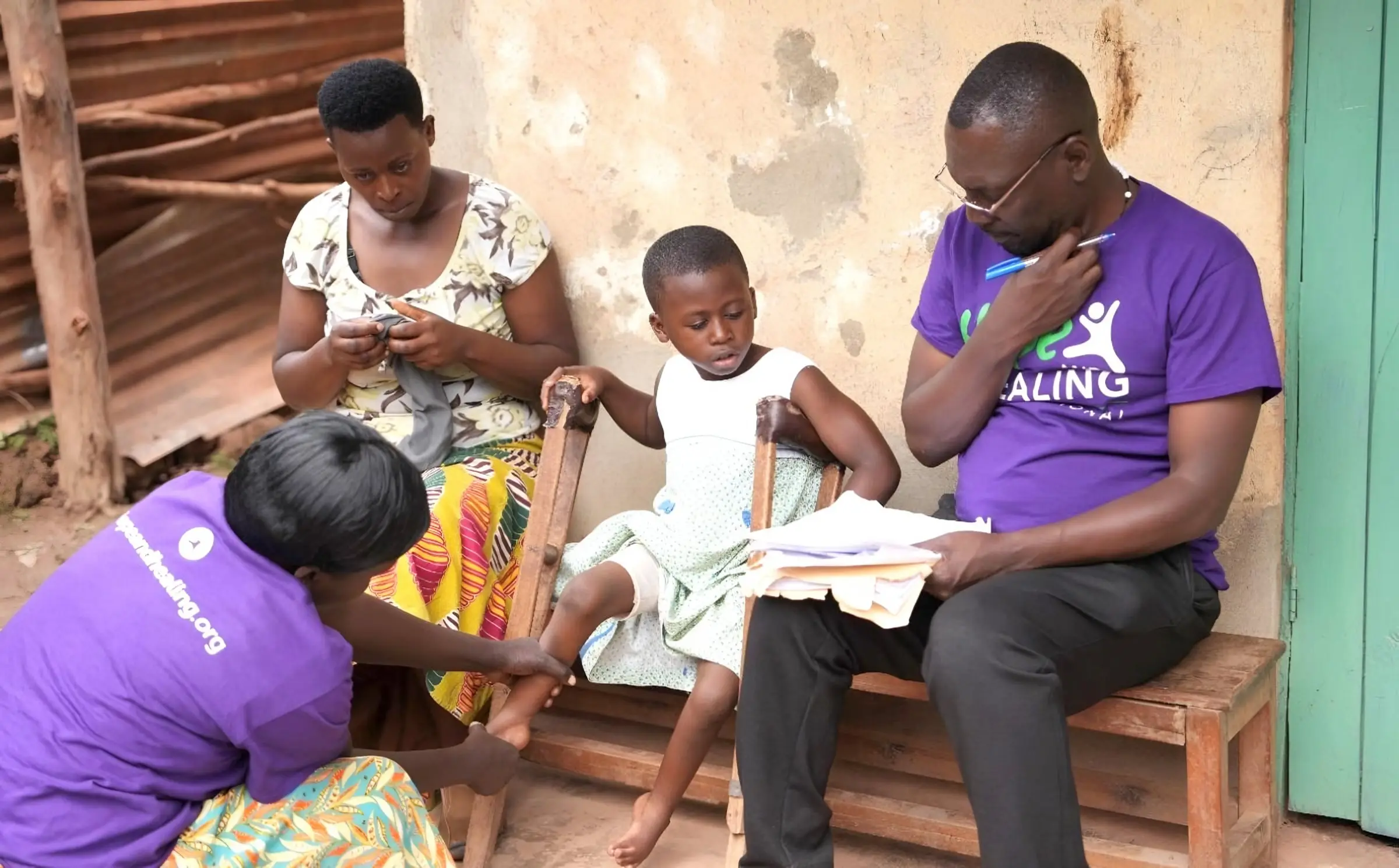
Two staff members in purple T-shirts sit with a mother and her young daughter outside their home, going through papers together.

In the community

Community Based Inclusive Development (CBID) services

The community arm of the hospital: outreach, counselling, home follow-up visits and stronger referral pathways, so that no one is left behind.

Overview

About community programmes (CBID)

Community Based Inclusive Development (CBID) is the community arm of the hospital. The team, made up of social workers and a safeguarding focal person, provides psychosocial support to patients and their caregivers, makes home follow-up visits, runs community engagement and awareness activities, and strengthens community structures and referral pathways to the hospital.

Psychosocial and counselling support is mostly provided within the hospital. Many of the people who come to CoRSU face financial difficulties and other social challenges in their families or communities, and these can affect the treatment and healing of their loved ones. In these sessions, clients are helped to work out ways of coping.

Awareness is usually raised during community outreaches, through radio talk shows, community meetings and patient follow-up visits. The follow-up visits matter because they allow the hospital to monitor how each person’s treatment is progressing. They also help to reduce barriers to full recovery.

The aim of the CBID approach is to promote empowerment and to ensure that no one is left behind.

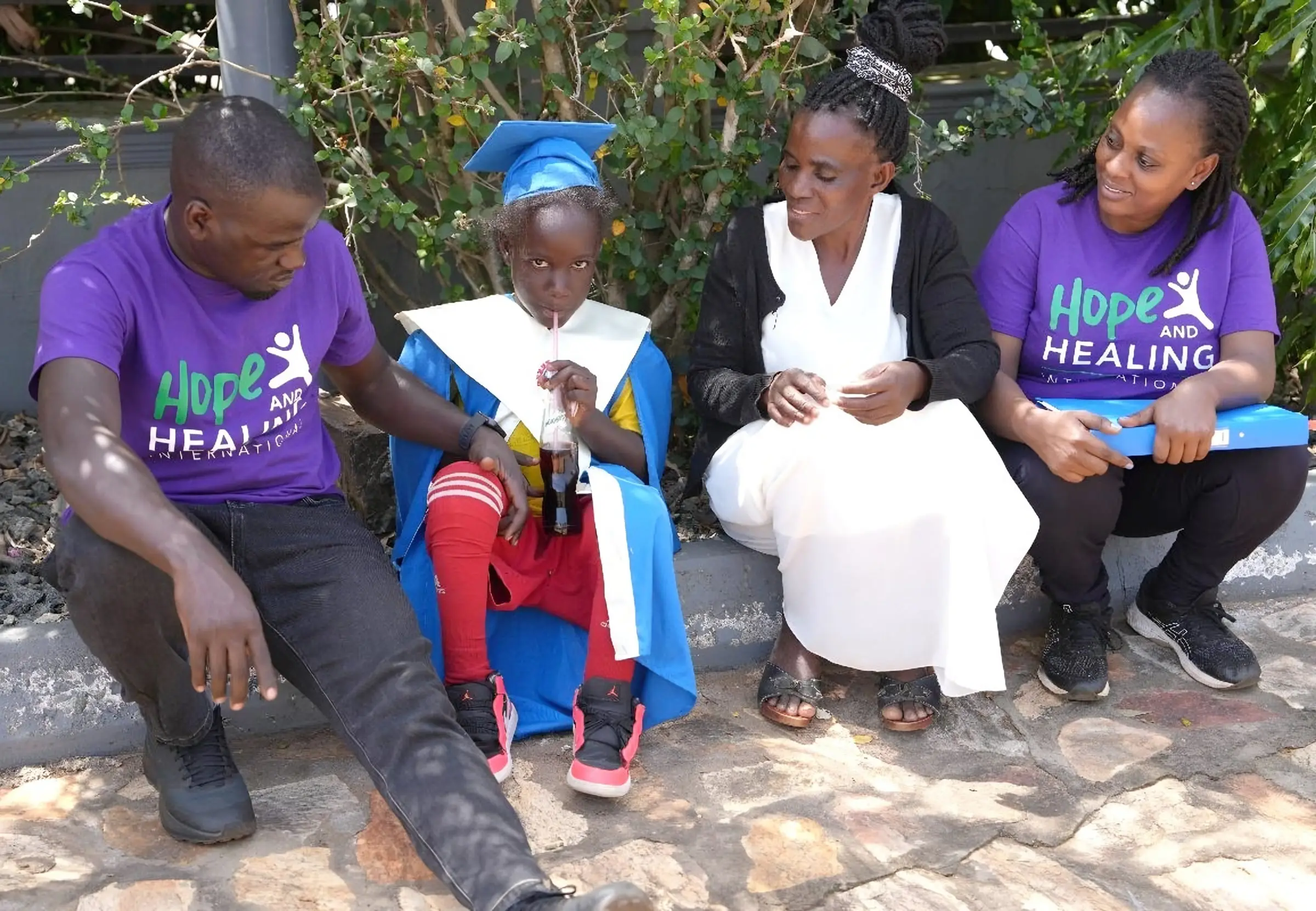
A girl in a blue graduation gown and cap sits on a step with her family and two staff members in purple T-shirts.
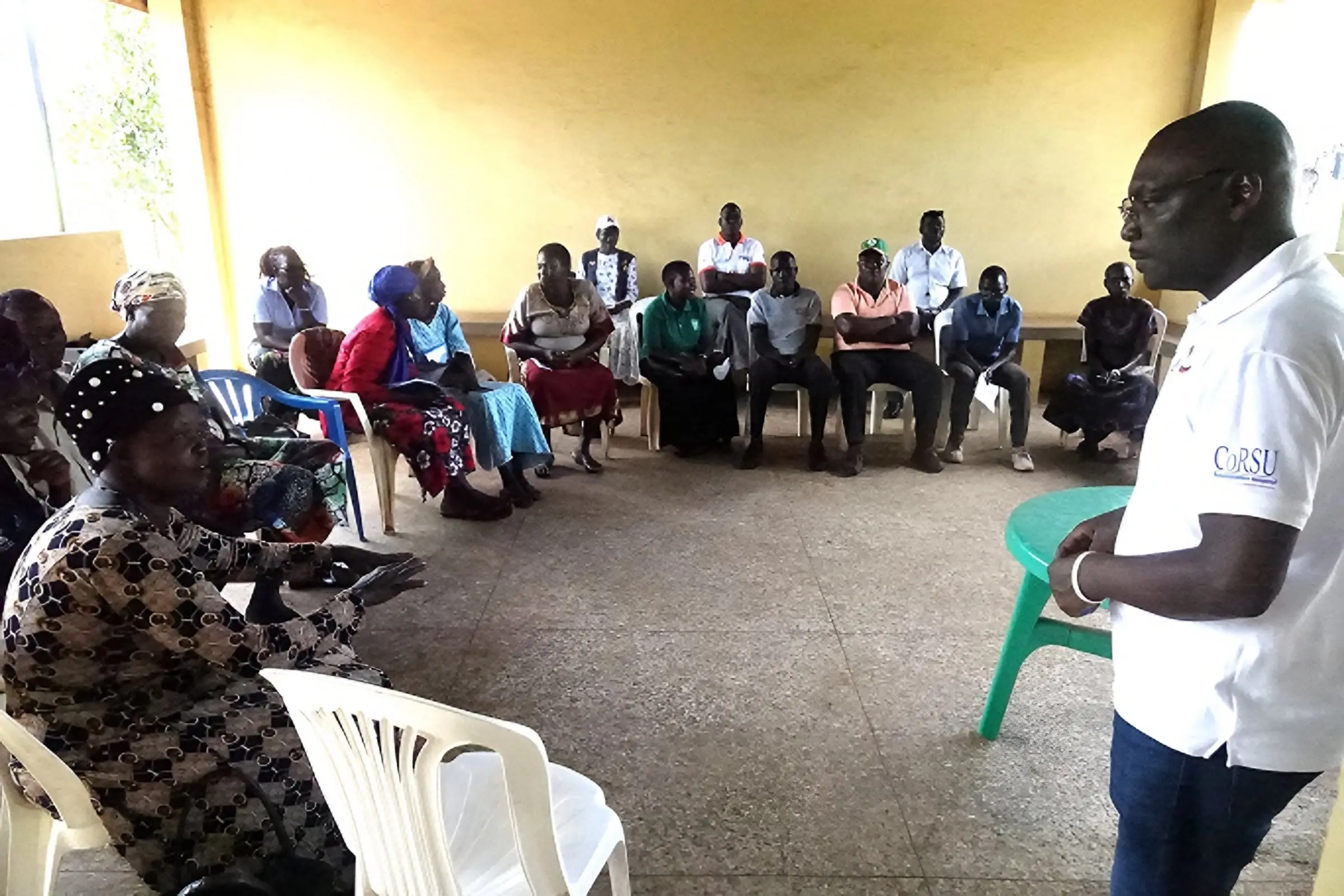
A man in a white CoRSU polo shirt stands and speaks to community members seated on plastic chairs around a hall.

What the CBID team does

  • Psychosocial support and counselling for patients and caregivers
  • Home follow-up visits to patients
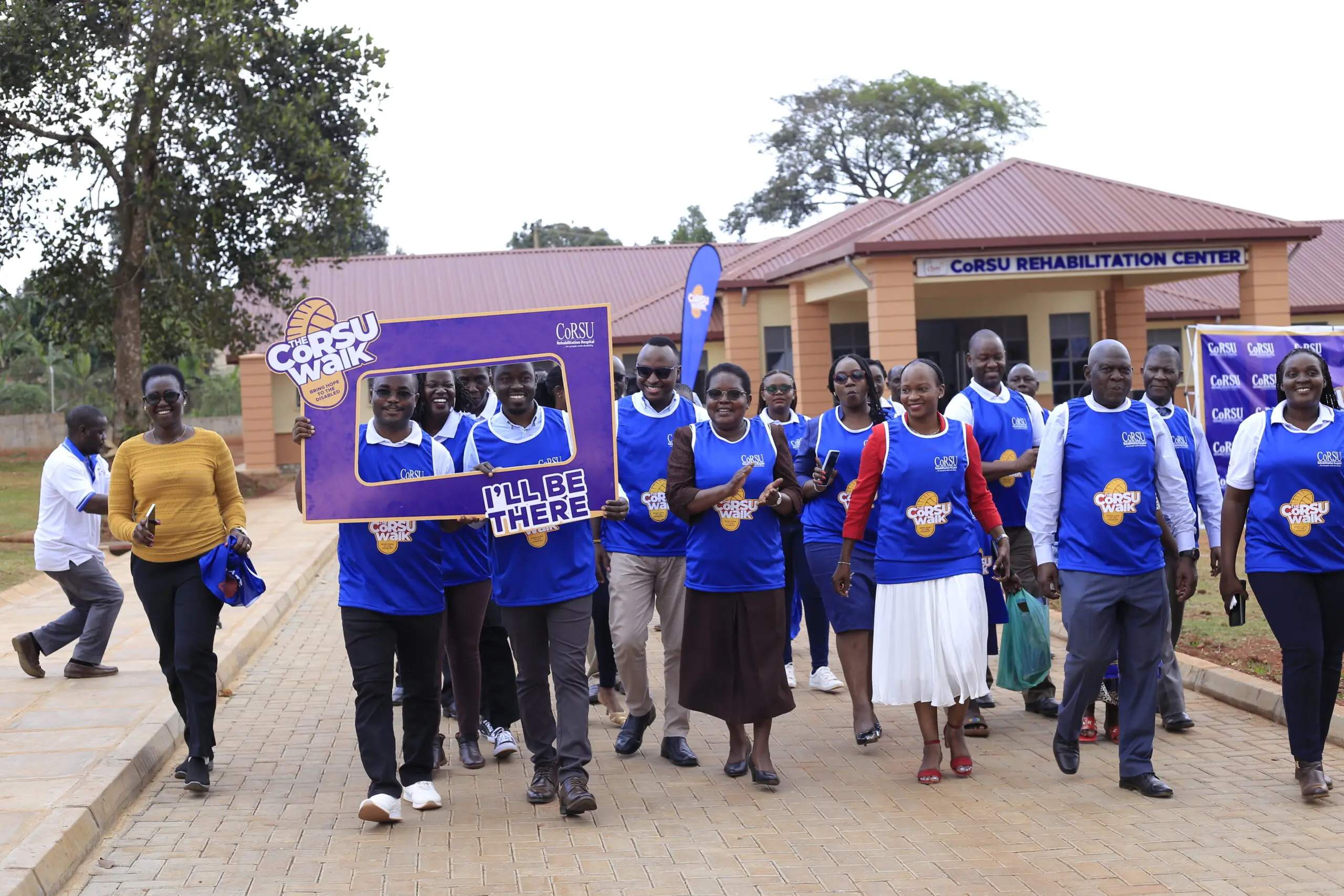
  • Community outreaches, with screening and on-site rehabilitation
  • Awareness through radio talk shows and community meetings
  • Education sessions for community mobilisers and village health teams
  • Strengthening community structures and referral pathways to the hospital

In more detail

Outreach in 2024

In 2024 the team carried out eight outreaches, reaching Kitgum, Pader, Bundibugyo, Ntoroko, Lyantonde, Ssembabule, Kassanda, Mubende, Bugiri, Busia, Kayunga, Kanungu, Ntungamo, Rukungiri, Buyende and Kamuli.

Over 500 people took part in sensitisation sessions on preventing and managing disability, and 1,500 patients and attendants were equipped with skills and knowledge on health-related topics.

2024 in numbers

This service in 2024

Figures from the CoRSU Annual Report 2024.

Read our annual reports

community outreaches2024
8
patients screened and offered on-site rehabilitation2024
1,800+
community mobilisers and village health team members educated, from 16 districts2024
290
counselling sessions for patients and attendants2024
500
Vivian, a young girl in a pale dress, outside a hospital building.

Patient story

Vivian’s life transformed

Seven-year-old Vivian was born with bowed legs. A community mobiliser referred her to CoRSU, where she was diagnosed with Blount disease and had surgery to correct her legs.

For patients

Need this service?

Request an appointment, call us, or come to the hospital during clinic hours. Our team will guide you from there.

For supporters

Help fund this care

Children aged five and under are treated free at CoRSU, and older children at a subsidised rate. Gifts from people like you make that possible.