












Patients and visitors
Planning your visit to CoRSU
How to book, what it costs, what to expect on the day and how to reach us. If you would rather talk to someone, call us.
- Clinic hours: Monday to Friday, 8:00am – 5:00pm, and Saturday, 8:00am – 2:00pm
- Kisubi (Kawuku), Entebbe Road, Wakiso District
Start here
What would you like to do?
- Book an appointmentSend a request online, call us or walk in.
- What it costsWho is treated free, who is subsidised and who pays.
- Your visit, step by stepWhat usually happens, and what to bring.
- Read the FAQsAnswers to the questions we hear most often.
- Find usDirections, phone numbers and clinic hours.
- Give feedbackShare a suggestion, a compliment or a concern.
What it costs
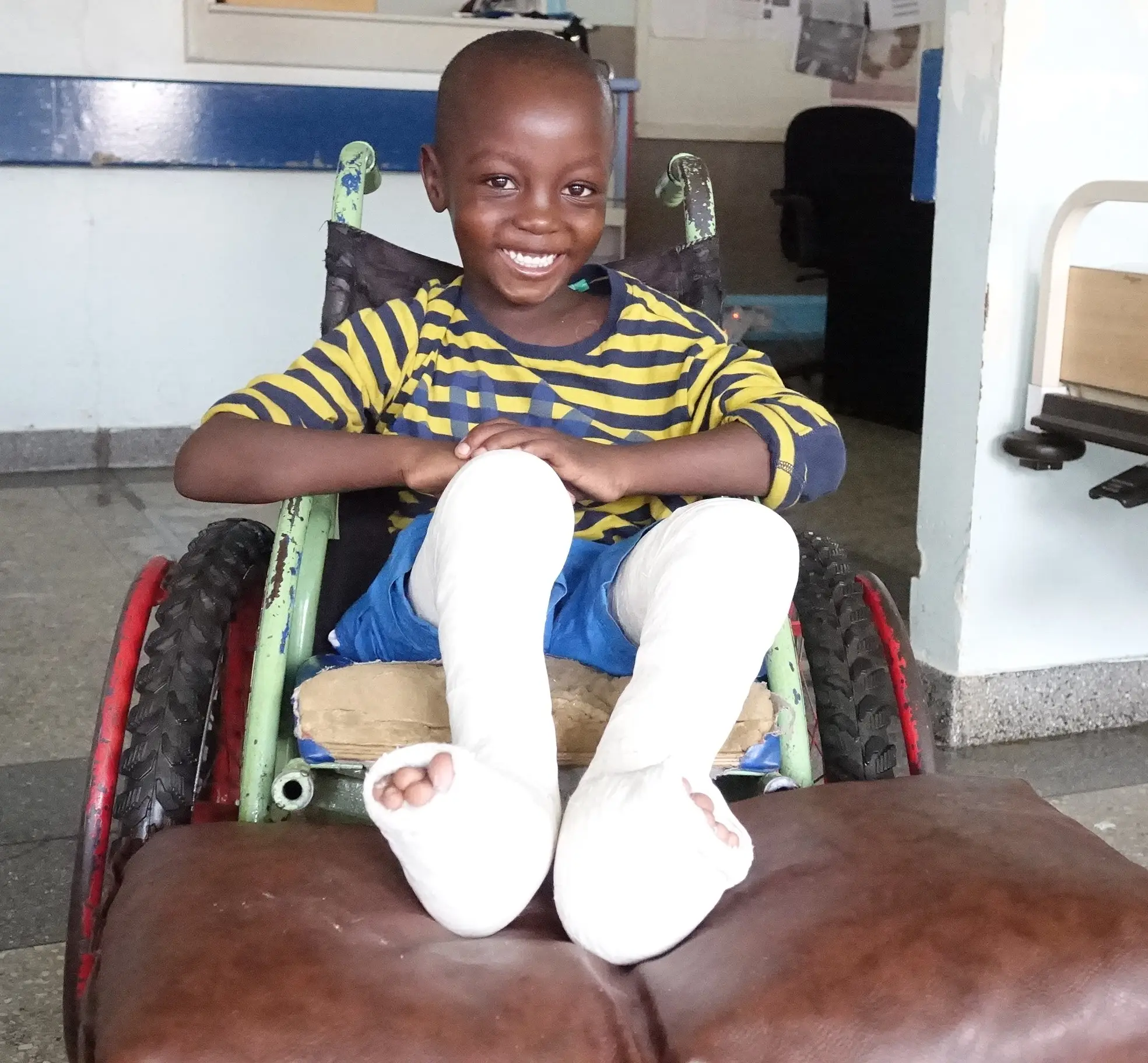
Free for the youngest children, subsidised for older children
CoRSU serves people from all walks of life, children and adults alike. What you pay depends on the patient's age and the treatment needed.
How the cost is worked out
CoRSU does not publish a price list. A surgeon or clinician examines the patient first, and the cost of treatment or surgery is worked out after that assessment.
This applies to adults and to children treated at a subsidised rate. Please ask the team about cost during your visit, or call customer care on+256 761 002 157before you travel.
Children aged 0 – 5
Treated free of charge
Children aged 6 – 17
Treated at a subsidised rate
Adults
Pay for their treatment, which helps fund care for children
Fistula repair
Under CoRSU's fistula programme, surgery, transport from the patient's home district and other direct costs were covered at no fee to patients in 2024, with support from the Fistula Foundation (Annual Report 2024). Please call to confirm what applies to you.
Read about fistula repair at CoRSUYour visit
Your visit, step by step
This is a general guide to what usually happens. Your own visit may differ depending on your condition, and the steps may not all happen on the same day.
Step 1: Contact us or walk in
Send an appointment request, call us, or come to the hospital during clinic hours (Monday to Friday, 8:00am – 5:00pm, and Saturday, 8:00am – 2:00pm).
Step 2: Register
When you arrive, you register at the hospital. Share your details and hand over any referral letter or medical records you have brought.
Step 3: See a clinician
A clinician examines you or your child and listens to your concerns. If surgery may be needed, a surgeon examines you first.
Step 4: Have tests, if they are needed
You may be sent for an X-ray, an ultrasound scan or laboratory tests. CoRSU has radiology and laboratory units at the hospital.
Step 5: Agree a treatment plan and talk about cost
The team explains the treatment they recommend. The cost is worked out after the assessment, so this is the time to ask what you will need to pay.
Step 6: Treatment and rehabilitation
Depending on your needs, care can include surgery, therapy such as physiotherapy or occupational therapy, or an assistive device made in the orthopaedic workshop.
Step 7: Follow-up
You may be asked to come back for review visits so the team can check how you are healing.
General guidance
What to bring
- A referral letter, if you have one
- Any previous medical records, X-rays or scan results
- A list of any medicines the patient is taking
- A parent or caregiver, for a child
- A phone number we can reach you on
The hospital has not yet published an official checklist. If you are not sure what to bring, call+256 761 002 111 before you travel.
Specialist clinics
Specialist clinic days
Some clinics run on set days of the week. These days are taken from the CoRSU Annual Report 2024.
Cleft care clinic
Mondays
Cerebral palsy clinic
Wednesdays
Cerebral palsy multidisciplinary clinic
Fridays
Hand surgery clinic
Mondays and Thursdays
Saturday morning clinic
Saturday mornings
Introduced in 2024 to make it easier to reach CoRSU services.
Call to confirm your clinic day
Clinic days can change. The report also mentions clubfoot, spine and muscle clinics, but does not give their days.
Call +256 761 002 111
General clinic hours are Monday to Friday, 8:00am – 5:00pm, and Saturday, 8:00am – 2:00pm. For the full range of care, seeall CoRSU services.

Good to know
Staying in hospital, and travelling to us
How long you may stay
After surgery, a hospital stay can range from 2 days to 3 months. It depends on your condition, how complex it is and how fast you heal.
The medical team talks with patients throughout their stay, so you will be told how healing is going and anything else you need to know.
Where our patients come from
People come to CoRSU from all over Uganda and from the East Africa region, including Rwanda, Burundi and South Sudan.
CoRSU has one hospital, in Kisubi on Entebbe Road, and no other branches. We work with partners across the country who refer patients to us.
Still to be published: details about visiting times, where caregivers can stay and what to pack for a hospital stay. Until the hospital confirms these, please call customer care on+256 761 002 157or emailcustomercare@corsuhospital.org.
Next steps
For patients and families
Ready to see a specialist?
Send an appointment request, call us, or walk in during clinic hours. Our team will guide you from there.
Clinic hours: Monday to Friday, 8:00am – 5:00pm, and Saturday, 8:00am – 2:00pm
For supporters
Help a child get the care they need
Children aged five and under are treated free at CoRSU, and older children at a subsidised rate. Gifts from people like you make that possible.