












- Care received
- Fistula (VVF) services
- Condition
- Obstetric fistula (leaking urine after childbirth)
- Source
- From the CoRSU Annual Report 2025
- Published
A traumatic birth
Brenda was 23 when her labour pains began late one night. Her husband spent more than two hours looking for transport to the nearest health facility, and by the time they arrived her condition had worsened.
“The experience was terrible. The nurses insulted me and delayed to help me even when the pain became too much and I could not deliver the baby.”
After a long labour, Brenda had an emergency caesarean section, made harder by a power cut at the facility. The next day she was extremely weak. A day later she realised she was leaking urine all the time. A catheter was inserted and she was sent home, still without a clear understanding of what had happened to her.
Hiding at home
“Life became so hard because the leaking made me uncomfortable whenever I was in public. One day while going to the market, my dress became wet along the way and people laughed at me. Others called me names.”
Ashamed and afraid, Brenda withdrew from public life and stayed at home. She did not know that her condition could be treated.
Care at CoRSU
Hope came through Denis, a community mobiliser who visited Brenda's village looking for women living with fistula. He told her about a screening at a nearby health facility, where doctors confirmed that she needed surgery at CoRSU. In January 2025, Denis arranged transport for Brenda and other women to travel to CoRSU for treatment.
“I had completely lost hope of ever getting healed. I was not sure how the surgery would turn out because of my previous bad experience during childbirth.”
At CoRSU, with support from Fistula Foundation, Brenda received surgery, counselling and care from the medical team.
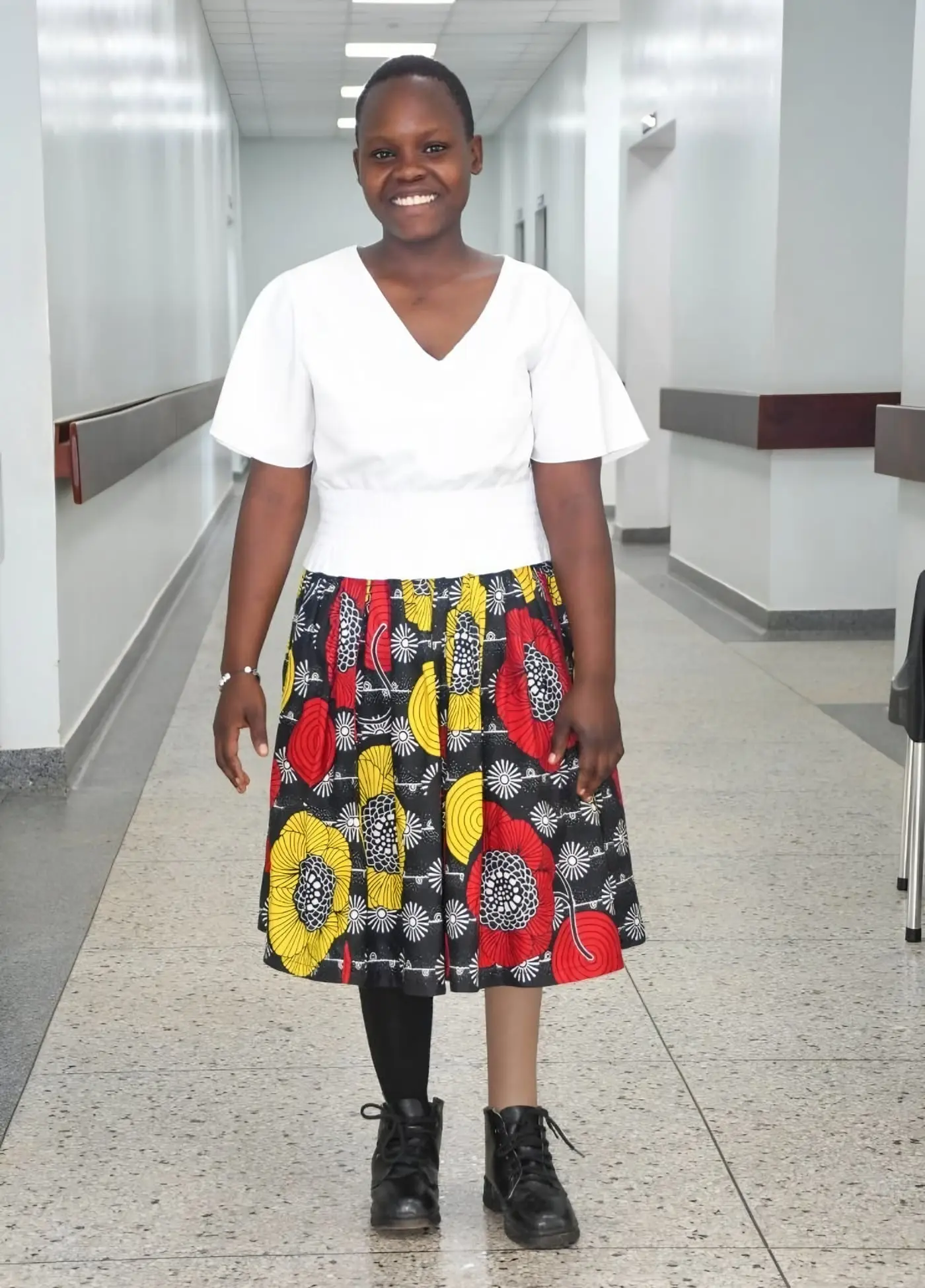
Brenda now
“With the counselling and care I received at CoRSU, I feel much better. I want to resume work again so that I can support my husband and improve our family's income.”
“Dr Judith and the entire medical team at CoRSU have played a very important role in my treatment process. I feel more confident to face the future.”
Made possible with support from Fistula Foundation.
Stories are shared with the consent of patients and their families. We use first names only.Read how we share stories.